Mastering the Green: A Complete Guide to Golf Club Types and Their Uses
Golf is not just a game of skill but also a game of precision tools. Identifying and utilizing the right type of golf club is crucial to improving your performance on the course. This comprehensive guide explores the various types of golf clubs and their specific uses, ensuring you make the most of your game.
Understanding the Golf Club Arsenal
The traditional golf bag contains fourteen clubs, each designed for specific shots and conditions. The major categories include woods, irons, wedges, and putters, each crafted with unique features.
1. Woods
Despite their name, most modern woods are constructed from metal, such as titanium or steel. They are designed with large heads and long shafts to maximize distance. They are typically used for long shots from the tee or fairway.
- Driver: Often referred to as the 1-wood, the driver has the lowest loft, typically between 9 and 13 degrees, making it ideal for long-distance tee shots.
- Fairway Woods: Including the 3-wood and 5-wood, these clubs offer a higher loft than drivers and are used for long shots from the fairway.
2. Irons
Irons range from 1 to 9, with lower-numbered irons having less loft. They are most commonly used for a variety of shots depending on their loft, from teeing off on short holes to chipping around greens.
- Long Irons (1-4): Challenging for beginners due to their low loft and longer shaft, suitable for long, straight shots.
- Mid Irons (5-7): Ideal for mid-range shots, offering a balance between distance and control.
- Short Irons (8-9): Used for shorter, more accurate shots, often near the green.
3. Wedges
Wedges are a sub-category of irons with greater loft than short irons, used for short-distance shots to get the ball high into the air quickly, usually from challenging terrain such as sand bunkers or the rough.
- Pitching Wedge: With a loft between 45 and 50 degrees, it is versatile for short shots or chips onto the green.
- Sand Wedge: Typically has a loft between 54 and 58 degrees, specifically designed for escaping bunkers or hitting from soft lies.
- Lob Wedge: With the highest loft, usually between 60 and 64 degrees, perfect for shots requiring high trajectory over obstacles.
- Gap Wedge: Fills the loft gap between a pitching wedge and sand wedge and is useful for precise distance control.
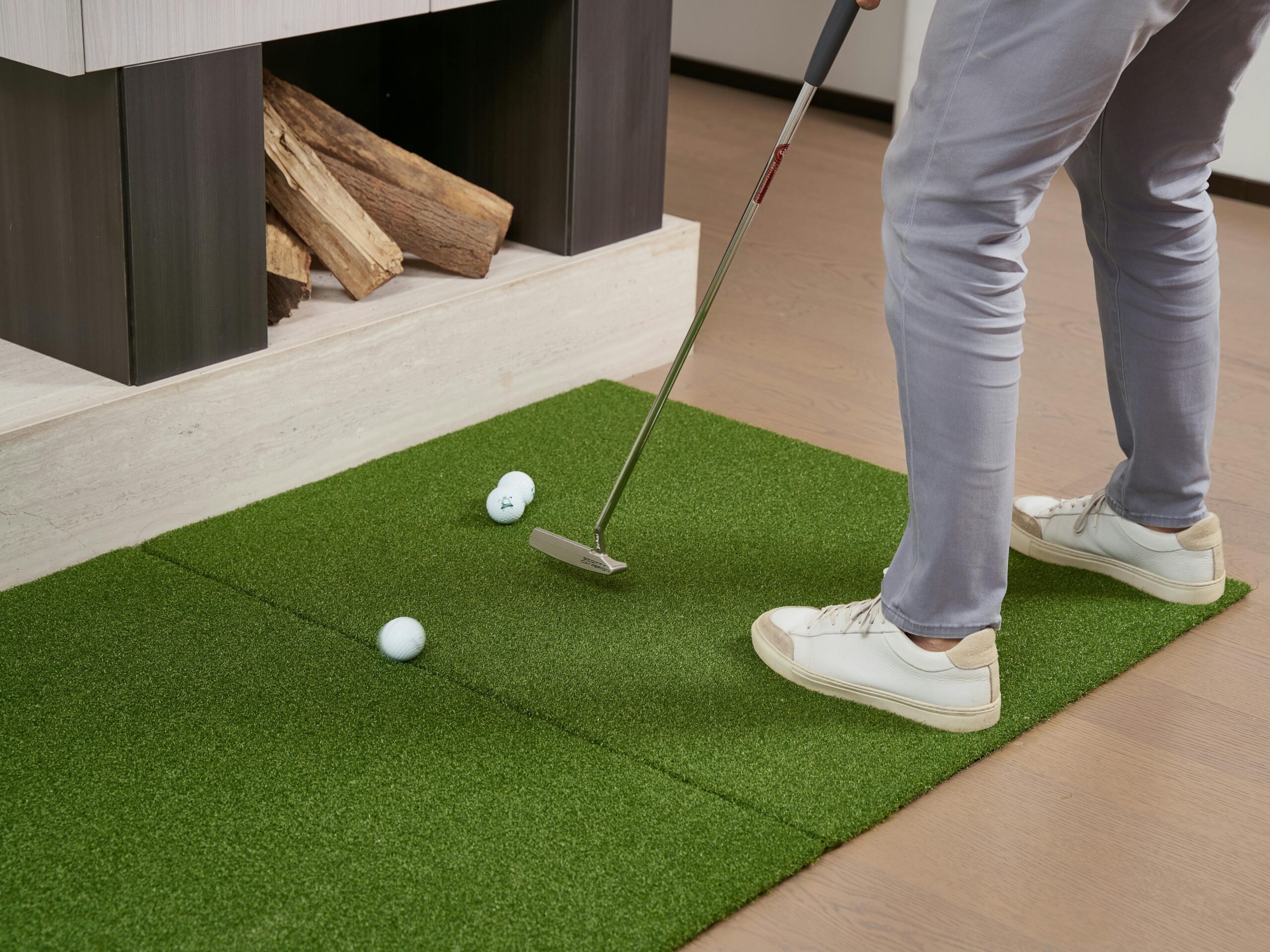
4. Putters
Putters are used for the final shots on the green to roll the ball into the hole. They come in various shapes and sizes, but their main purpose remains the same—to offer precision and control on the green.
Choosing the Right Club for Each Situation
Selecting the right club is more art than science, involving factors such as distance, wind, lie of the land, and personal comfort. Here are a few general tips:
- Use the driver for long, open fairways where distance is key.
- Pick an iron based on the expected distance to the green—from a long iron for distant shots to a short iron for closer targets.
- Opt for a wedge when precision is crucial, especially near the green or from hazards.
- Choose the putter once on the green, even sometimes from the fringe if the grass is short.
Common Questions About Golf Clubs
Can You Play Golf With Less Than 14 Clubs?
Yes, while fourteen clubs are allowed by the rules, beginners or casual players might carry fewer. This allows for skill development and understanding of each club’s utility.
How Often Should You Replace Your Golf Clubs?
This depends on usage and care. Professional players might change clubs more frequently than hobbyists, but typical club life can extend several years with proper maintenance. Regularly inspect clubs for wear and adjust or replace as necessary.
Conclusion
Understanding the different types of golf clubs and their specific uses not only enriches your playing experience but also enhances your strategy on the course. From powerful drives down the fairway to careful putts on the green, choosing the right club can be the key to a successful round. Invest time in learning each club’s strengths and watch your game improve significantly.
Whether you are a novice wondering how to select the first set of clubs, or an experienced player considering an upgrade, remember that the right set of golf clubs is a worthwhile investment in your golfing journey.
With this guide, embrace each round as an opportunity to refine your skills and enjoy the beautiful game of golf.